
In today’s digital world, cybersecurity is no longer just an IT issue—it’s something that affects everyone. Whether you’re an individual, a small business owner, or an employee, understanding basic cybersecurity can help protect your data, money, and reputation. Cybersecurity refers to the practice of protecting computers, networks, systems, and data from digital attacks. These attacks often aim to steal sensitive information, disrupt operations, or demand ransom.
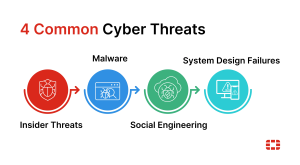
Table of Contents
Common Cybersecurity Threats Everyone Should Know
Here are some of the most common threats people face today:
- Phishing – Fake emails or messages that trick you into clicking malicious links
- Malware – Harmful software that damages or spies on your system
- Ransomware – Locks your files and demands payment to restore access
- Weak Password Attacks – Hackers guessing or stealing passwords
- Public Wi-Fi Risks – Unsecured networks that expose your data
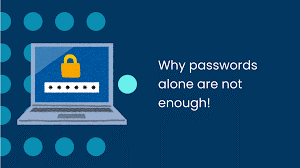
🔑 Why Strong Passwords Are No Longer Enough
While strong passwords are important, they are no longer sufficient on their own.
Why?
- Passwords can be stolen through phishing
- Data breaches expose login credentials
- Hackers use automated tools to crack passwords
That’s why Multi-Factor Authentication (MFA) is essential. MFA adds an extra layer of protection, such as a code sent to your phone, making it much harder for hackers to gain access.
❌ Cybersecurity Myths That Put Your Data at Risk
Many people still believe myths that can expose them to cyberattacks:
- “I’m too small to be hacked” – Small targets are often preferred
- “Antivirus software is enough” – Security requires multiple layers
- “Macs don’t get viruses” – All systems can be attacked
- “Cybersecurity is too expensive” – Prevention is cheaper than recovery
Believing these myths can lead to costly mistakes.

#tech