KEY FACTORS TO CONSIDER IN SELECTING LAPTOP FOR OFFICE/BUSINESS WORK
With the vast number of laptop options available today, it’s easy to feel unsure about which one to choose. Finding the ideal system can be challenging, which is why we’re here to help guide you through the essential factors to consider before making your purchase.
1. Processor (CPU) – Central Processing Unit (CPU), is the brain of your laptop — it determines how efficiently your system handles tasks, runs applications, and multitasks.
- Intel Core i5 / i7 / Ultra 5 / Ultra 7
- AMD Ryzen 5 / Ryzen 7
These processors provide an excellent balance between performance, power efficiency, and longevity, making them ideal for office work, creative tasks, light video editing, and even moderate gaming.
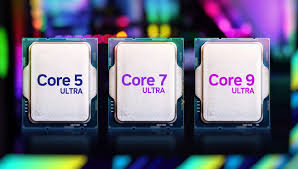
Table of Contents
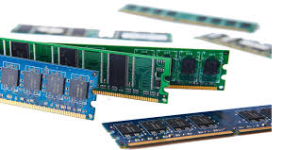
2. Memory (RAM) – plays a crucial role in how smoothly your laptop performs — it allows your system to handle multiple tasks at once without slowing down.
A higher amount of RAM means better multitasking, faster switching between apps, and improved overall responsiveness, especially when running modern operating systems and resource-heavy software.
3. Storage
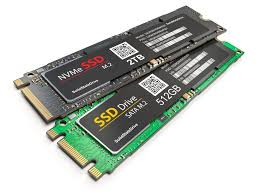
- NVMe SSD: Fast boot, quick app launches, smooth file transfers, and better overall performance.
- Capacity:
- 512 GB – enough for most users.
- 1 TB+ – ideal for large files like videos, images, or projects.
4. Battery Life
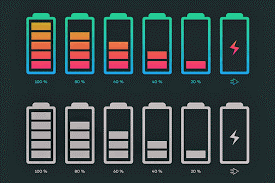
- 8+ hours: Enough for a typical workday under mixed use.
- 10–15 hours: Ideal for frequent travelers or mobile work.
5. Build Quality & Durability
- Chassis: Metal or reinforced for long-lasting durability.
- Keyboard & hinge: Sturdy construction for comfort and reliability.
- Security: TPM and biometrics (fingerprint/face) for added protection.
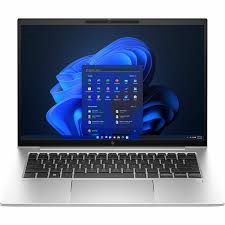
6. Budget vs Portability
When choosing a laptop, portability and budget often require trade-offs.
- Portability:
Think about how often you’ll carry your laptop. If you travel frequently or move between offices, a lighter, thinner laptop is more convenient. However, slimmer designs may limit battery size, cooling efficiency, or upgrade options.
Budget:
Higher specifications, durable builds, and premium features naturally cost more.
- Setting your budget early helps narrow options and avoid overspending. It also helps you decide which features are essential versus nice-to-have, ensuring you get the best value for your money.