
Choosing Between Inkjet and Laser Printers

Determining the right printer for your needs is crucial when shopping for a printer. You may have pondered the differences between inkjet and laser technologies and the top models available in each category. Allow us to provide clarity on this important choice.
While inkjet and laser printers have advantages and applications in various settings, one technology may align better with your specific requirements. When comparing inkjet and laser printers, it ultimately comes down to your preferences and the tasks you need to accomplish.
Inkjet vs Laser printers: The key things to know
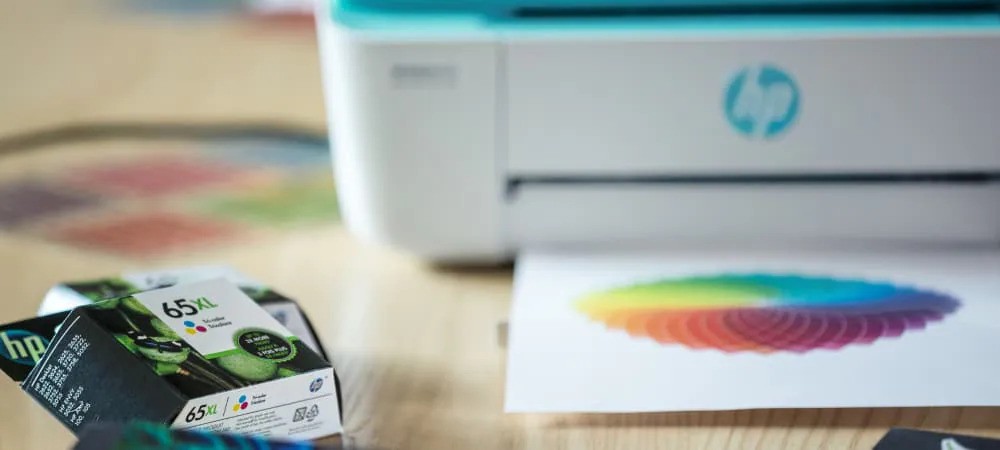
Inkjet printers are more budget-friendly upfront, with some models available for K1000 or less. However, it is important to factor in the ongoing costs of ink, which can make them pricier to operate in the long run.
On the other hand, laser printers are preferred for text and document printing due to their superior quality and cost-effectiveness. Monochrome laser printers are particularly efficient for producing large quantities of basic documents. In contrast, inkjet printers excel at printing photographs.
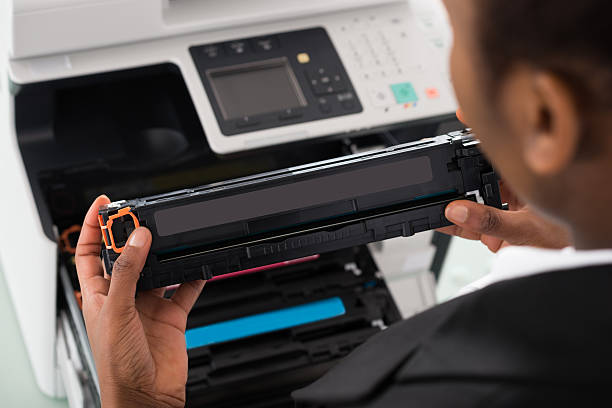
Laser printers typically offer the lowest cost per page, thanks to the inexpensive toner that lasts longer than ink cartridges. While inkjet printers with refillable tanks are becoming more popular for affordable printing, they often require a higher initial investment.
Inkjet printers are known for their compact design, requiring fewer internal components like drums and rollers. This allows inkjet printers to provide full-page printing in a smaller form factor than many laser printers, including features like copying and scanning capabilities.
Printing technology basics: Inkjet vs laser
The fundamental concept of printing remains consistent in inkjet and laser printers – transferring letters and images onto paper. However, the methods used by each are distinctly different.
Inkjet printers utilize liquid ink dispensed onto the page through a print head with numerous micro-nozzles. This process involves applying minuscule droplets of ink onto the paper. The outcome varies depending on whether the ink is dye or pigment-based, with the potential to alter the paper’s color or form a dry layer on its surface.
In contrast, laser printers utilize toner, a powdered substance. Laser printing involves using a laser to create an electrostatic charge, which transfers the toner onto the paper. Subsequently, heat is applied to bond the toner to the page’s surface.
The choice between these methods will impact factors such as the size of the printer and the cost of each printed page. Both technologies can be found in single-function or all-in-one printers with scanning, copying, and fax capabilities. Understanding the advantages and limitations of each option is crucial in selecting the most suitable one for your needs.
Inkjet vs Laser printers: Upfront costs
When considering a printer, the device’s price plays a significant role in decision-making. While desired features are important, the budget often dictates the final choice.
Inkjet printers are typically more budget-friendly than laser printers due to the less complex technology involved in manufacturing them. Additionally, many manufacturers sell inkjet printers at a loss, relying on future ink sales to make a profit. In some cases, buying a new printer can be more cost-effective than purchasing a full set of ink cartridges.
In contrast, laser printers typically start at around K3000, with even the most affordable models priced at K1500 or more.
While printing costs should be considered, individuals who print infrequently or primarily use scanning and faxing features may find affordable options starting at K3000.
Key Point: While inkjet printers may have a lower initial cost, they can be more expensive in the long term.
Inkjet vs Laser printers: Print Quality
The effectiveness of liquid ink and toner powder in various printing applications is determined by their unique characteristics.
Inkjet printers, utilizing dye- and pigment-based inks, excel in handling color, especially for images and photos containing subtle shades. Liquid ink allows for easier reproduction of color mixtures on an inkjet compared to a laser printer.
While laser printers are not typically designed for photo printing and rely on halftone dots for color reproduction, some laser printers can produce high-quality color prints with specialized laser-printer-compatible photo paper. This process is less convenient than using standard photo paper on an inkjet.
On the other hand, laser printers are more adept at printing text, producing crisp and clear letterforms that are unmatched by most inkjet printers. Inkjet printing may result in slight bleeding, and while legible, individual letters lack the sharp detail seen in laser prints upon close examination.
In addition to its smudging tendency, inkjet prints pose a risk of smearing as the ink continues to dry even after printing. This potential issue is something that inkjet users should be prepared for. On the other hand, laser printers use a heat-transfer method to instantly set the print, making it smudge-proof upon exiting the printer.
Key Point: Laser printers are more suitable for text documents, particularly in large quantities, while inkjet printers are preferred for high-quality photo printing.
Bottom line
In summary, whether an inkjet printer or a laser printer ultimately depends on your specific printing needs. Some individuals print infrequently or primarily produce photos rather than text documents. Others may prioritize printing large volumes of text with minimal need for images. Operational costs over time may also be a significant consideration.
For those who print infrequently, an inkjet printer may be the more suitable option. While the cost per page for ink is higher than toner, ink refills are typically less expensive. Inkjet printers are also more compact than laser printers, making them a better choice for small spaces. Furthermore, inkjet printers are preferred for printing images and photos due to their vibrant color output and fewer printing restrictions.
We are running a printer service center for more than 20 decades. We have seen from basic inkjet printers to latest mfp printers. I would say that canon is the best brand when it comes to printers. The big advantage canon printer has is that it can do self repair and will give the users plenty of options to do the repair work through the app. Head cleaning, deep cleaning, ink flushing, roller cleaning and others can be done by the users through the app.